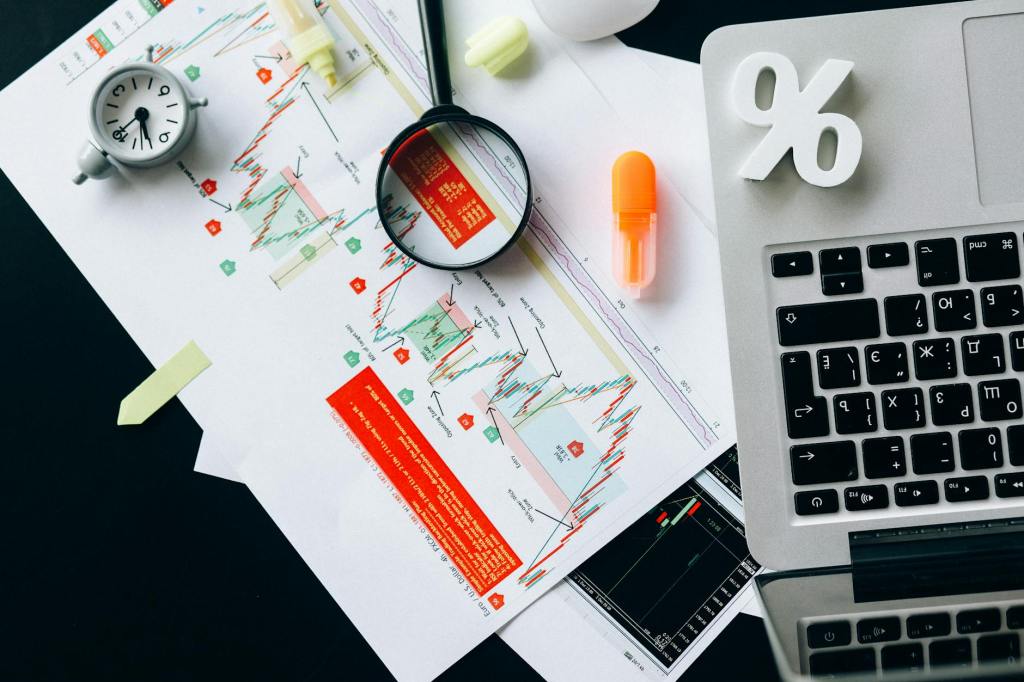
December is a unique month for forex trading, characterized by significant deviations from the market’s usual patterns. While forex markets operate 24/7, the conditions during this period can present substantial challenges, making it less favorable for traders. Below, we explore the reasons why trading forex in December may not be the best idea.
1. Reduced Market Liquidity
Liquidity refers to the ease with which assets can be bought or sold in the market without affecting their price. In December, liquidity tends to drop significantly, particularly in the second half of the month.
- Key participants absent: Many institutional traders, hedge funds, and banks take time off during the holiday season, leaving the market dominated by smaller players.
- Wider spreads: Reduced liquidity often results in wider bid-ask spreads, increasing trading costs for retail traders.
This lack of depth can lead to erratic price movements, making it harder to execute trades at favorable levels.
2. Increased Market Volatility
While some volatility can be advantageous for traders, the erratic and unpredictable movements in December are more likely to be a liability. With reduced liquidity, even small trades can create outsized price movements, resulting in unpredictable market behavior.
- False breakouts: December often sees more frequent false breakouts, where prices breach support or resistance levels but fail to sustain the trend.
- Unusual price patterns: Thin markets can lead to irregular chart patterns, undermining the reliability of technical analysis tools.
3. Impact of Holidays on Trading Hours
Major holidays like Christmas and New Year’s Eve lead to shortened trading sessions or complete closures of forex markets in some regions. These interruptions can make it challenging to manage trades effectively.
- Gaps in pricing: The combination of holidays and low liquidity can result in significant price gaps when markets reopen, increasing the risk for traders holding positions overnight.
- Inconsistent market conditions: The flow of economic data and market-moving news is often sparse during this time, reducing the number of actionable trading opportunities.
4. Psychological Challenges
Trading during the holiday season can also affect a trader’s mindset.
- Distractions: With family gatherings, festivities, and end-of-year commitments, traders may find it harder to stay focused.
- Overtrading: Some traders feel compelled to make up for missed opportunities earlier in the year, leading to impulsive and poorly planned trades.
These factors can lead to suboptimal decision-making, potentially compounding losses.
5. Seasonal Market Patterns
Historical data shows that December often exhibits anomalous market behavior, driven by end-of-year portfolio adjustments by large institutions.
- Thin trading conditions: Fund managers often rebalance portfolios, closing out positions to lock in profits or take tax benefits, which can cause abrupt price swings.
- Unreliable trends: Any apparent trends that develop in December may lack the momentum to continue into the new year, leading to misjudgments.
6. Better Opportunities in January
Waiting until January to resume forex trading can be a more prudent approach.
- Renewed liquidity: Institutional traders return to the markets, increasing liquidity and stabilizing price movements.
- Clearer trends: The start of a new fiscal year often brings fresh trends and opportunities, making January a more promising time to trade.
Conclusion
While it is possible to trade forex in December, the challenges of low liquidity, heightened volatility, unpredictable market behavior, and holiday distractions make it less than ideal for most traders. For those determined to trade during this period, extra caution, reduced position sizes, and strict risk management are essential. However, stepping back, reassessing strategies, and preparing for the opportunities of a new year may ultimately yield better results.


 The Nomad Trader
Hozzászólás