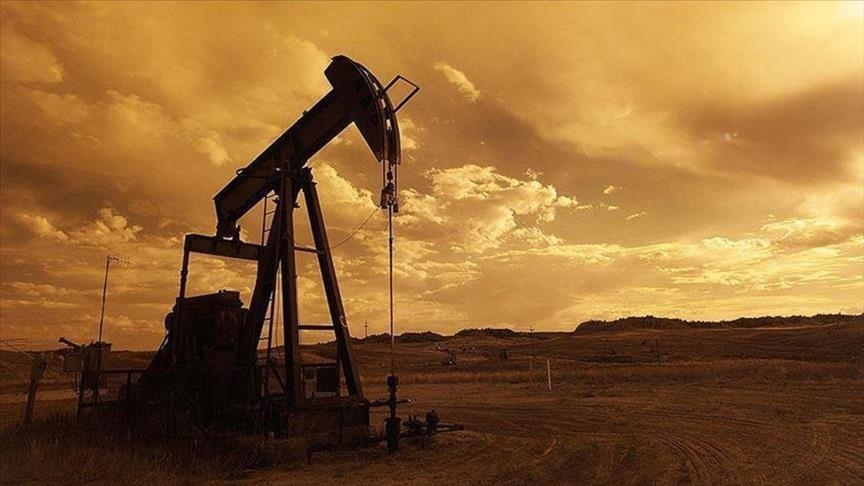
In recent months, the global oil market has been thrust into the spotlight due to rising concerns over supply disruptions fueled by escalating geopolitical tensions. Key regions like Libya and the Middle East, historically known as volatile hotspots, have once again become flashpoints, leading to a significant rally in oil prices. These developments carry profound implications not only for the oil market but also for the broader financial ecosystem, particularly the foreign exchange (forex) markets.
Geopolitical Tensions: The Spark Behind the Rally
Libya, with its tumultuous political landscape, has been a critical player in the oil market. The country’s fragile peace is often disrupted by factional conflicts, leading to unpredictable oil production levels. Similarly, the Middle East, home to some of the world’s largest oil reserves, remains a region of constant geopolitical uncertainty. Recent tensions, such as conflicts in key areas like the Strait of Hormuz, have reignited fears of supply constraints, driving oil prices higher.
These geopolitical risks have led to a marked increase in crude oil prices, as traders and investors brace for potential supply disruptions. The fear of reduced oil exports from these regions has made the market more sensitive to any news of unrest, causing sharp fluctuations in prices.
Impact on Currencies: A Double-Edged Sword
The effects of rising oil prices extend beyond the energy markets, significantly impacting the currencies of oil-exporting and oil-importing nations. For oil-exporting countries like Canada, Russia, and Saudi Arabia, a surge in oil prices typically leads to an appreciation of their currencies. This is because higher oil revenues increase the demand for their currencies as global buyers purchase more oil.
On the flip side, oil-importing countries like Japan, India, and many European nations may see their currencies depreciate. Higher oil prices increase their import costs, leading to trade imbalances and reduced purchasing power in the global market.
The interconnectedness of these dynamics means that forex pairs involving these currencies, such as USD/CAD, EUR/RUB, or JPY/USD, can experience sharp movements. Traders who fail to account for these shifts may find themselves on the wrong side of the market, especially in a highly volatile environment.
Robotic Trading Systems: Adapting to Commodity-Driven Volatility
For robotic trading systems, which rely on algorithms to execute trades, the current oil market presents both challenges and opportunities. These systems are designed to analyze vast amounts of data and execute trades based on predefined criteria. However, in periods of heightened volatility driven by external factors like geopolitical events, traditional algorithms may struggle to adapt quickly enough.
To navigate this environment, robotic trading systems must be equipped with sophisticated models that can account for sudden changes in commodity prices and their ripple effects on forex markets. This includes integrating real-time data feeds on geopolitical events, oil supply forecasts, and market sentiment analysis to adjust trading strategies dynamically.
Moreover, risk management protocols within these systems need to be robust, with the ability to swiftly alter positions in response to market movements. For instance, setting tighter stop-loss orders during periods of expected volatility can help mitigate potential losses.
Conclusion: Preparing for the Road Ahead
As the global oil market continues to be influenced by geopolitical tensions, the ripple effects will be felt across various financial markets, particularly in forex trading. Both human and robotic traders must remain vigilant, adapting to the fluid nature of these markets to seize opportunities and manage risks effectively.
For those engaged in robotic trading, the current environment underscores the importance of continuously evolving trading algorithms to factor in commodity-driven volatility. By doing so, they can better navigate the complex interplay between geopolitical events, oil prices, and currency movements, ensuring sustained performance in an ever-changing market landscape.


 The Nomad Trader
Hozzászólás