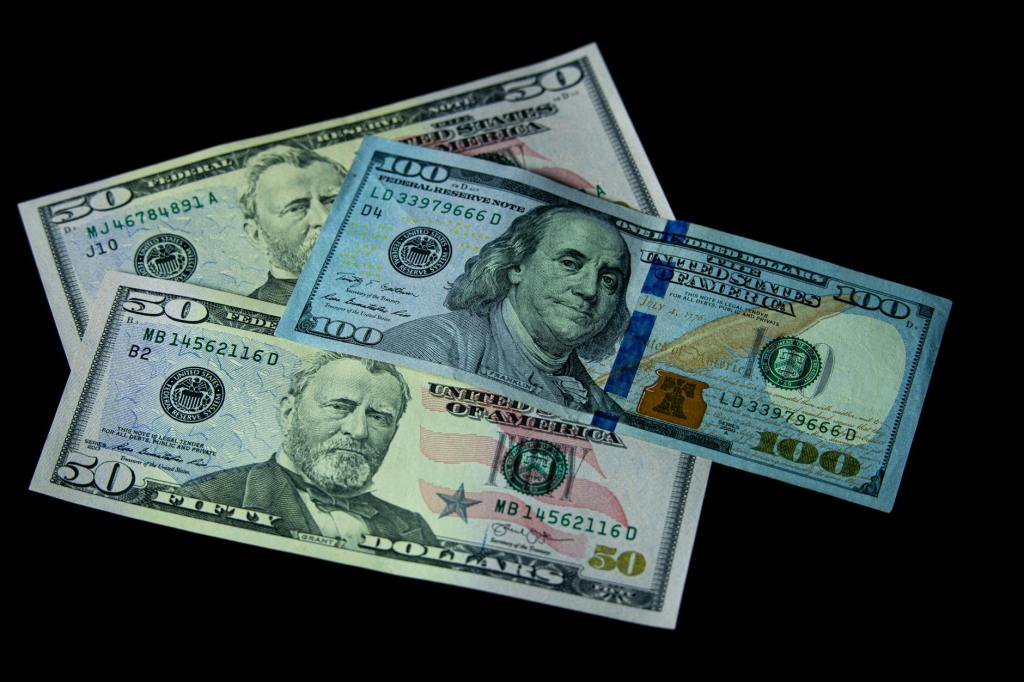
As we move closer to 2025, the US dollar (USD) faces a series of challenges that could shape its role in the global economy. Traditionally viewed as the world’s primary reserve currency, the USD has long been a cornerstone of international trade, finance, and investment. However, evolving geopolitical dynamics, technological advancements, and economic shifts are poised to test the dollar’s dominance. This article explores the key challenges the USD is expected to encounter in 2025 and their potential implications.
1. Geopolitical Shifts and De-Dollarization Efforts
One of the most significant challenges the USD could face is the increasing momentum of de-dollarization efforts. Countries such as China and Russia have been actively seeking to reduce their reliance on the USD by promoting the use of their own currencies in international trade and finance. China’s efforts to internationalize the yuan, through initiatives like the Belt and Road Initiative (BRI) and the creation of currency swap agreements, are particularly noteworthy. Additionally, the establishment of alternative payment systems, such as the Cross-Border Interbank Payment System (CIPS) by China, is seen as a direct challenge to the USD-dominated SWIFT network.
If these efforts gain traction, they could erode the USD’s position as the go-to currency for global trade. The result could be a more fragmented international monetary system, with multiple currencies vying for dominance. Such a shift could reduce demand for the USD, potentially weakening its value and reducing the influence of the United States on the global stage.
2. Technological Disruptions: Digital Currencies and Blockchain
The rise of digital currencies, particularly central bank digital currencies (CBDCs), presents another challenge to the USD. As of 2025, several countries, including China with its digital yuan, are expected to have fully operational CBDCs. These digital currencies could streamline international transactions, making them faster and cheaper, thus reducing the reliance on the USD for cross-border trade.
Furthermore, the adoption of blockchain technology and decentralized finance (DeFi) platforms could alter the traditional financial system. These technologies enable peer-to-peer transactions without the need for intermediaries, which could reduce the demand for USD-based clearing and settlement services. If digital currencies and DeFi platforms gain widespread acceptance, they could weaken the USD’s role as the primary currency for global trade and investment.
3. Global Economic Shifts and Emerging Markets
The economic landscape is shifting as emerging markets gain more influence in the global economy. Countries like China, India, and Brazil are expected to continue growing at a faster pace than developed economies, leading to a shift in the balance of economic power. As these economies expand, they may seek to diversify their foreign exchange reserves away from the USD, especially if their own currencies become more stable and widely accepted.
Moreover, the US economy’s performance relative to other major economies will play a crucial role in determining the USD’s strength. If the US experiences slower growth or higher inflation compared to other countries, it could lead to a decline in investor confidence in the USD, prompting a shift towards other currencies or assets like gold or cryptocurrencies.
4. US Domestic Challenges: Debt and Inflation
Domestically, the USD faces challenges from within the United States. The country’s national debt, which is expected to continue rising, poses a significant risk. If the US government continues to run large deficits, it could lead to concerns about the sustainability of its fiscal policies. A growing debt burden might result in higher interest rates as investors demand a premium for holding US debt, which could slow economic growth and weaken the USD.
Inflation is another critical factor. If inflationary pressures persist or worsen, the Federal Reserve may be forced to adopt a more aggressive monetary policy, including raising interest rates. While higher interest rates could support the USD in the short term by attracting foreign investment, they could also dampen economic growth and increase the cost of servicing the national debt, creating long-term risks for the currency.
5. Environmental, Social, and Governance (ESG) Factors
As environmental, social, and governance (ESG) considerations become more prominent in global finance, the USD could face indirect challenges. Investors are increasingly prioritizing ESG factors when making decisions, and currencies of countries that are seen as leaders in sustainability and social responsibility may gain favor. If the US is perceived as lagging in ESG performance, it could impact the attractiveness of the USD for global investors.
Conclusion
While the USD has a long history of dominance in the global financial system, it is not immune to the challenges posed by a rapidly changing world. Geopolitical shifts, technological innovations, global economic trends, domestic economic policies, and ESG factors all present potential headwinds for the currency. How the US navigates these challenges will determine whether the USD can maintain its position as the world’s leading currency or whether it will have to share that role with emerging alternatives. As we approach 2025, the future of the USD is more uncertain than ever, requiring careful monitoring and strategic responses from policymakers and investors alike.


 The Nomad Trader
Hozzászólás